Winning by Losing: The Enduring Power of Third-Party Candidates in American Elections
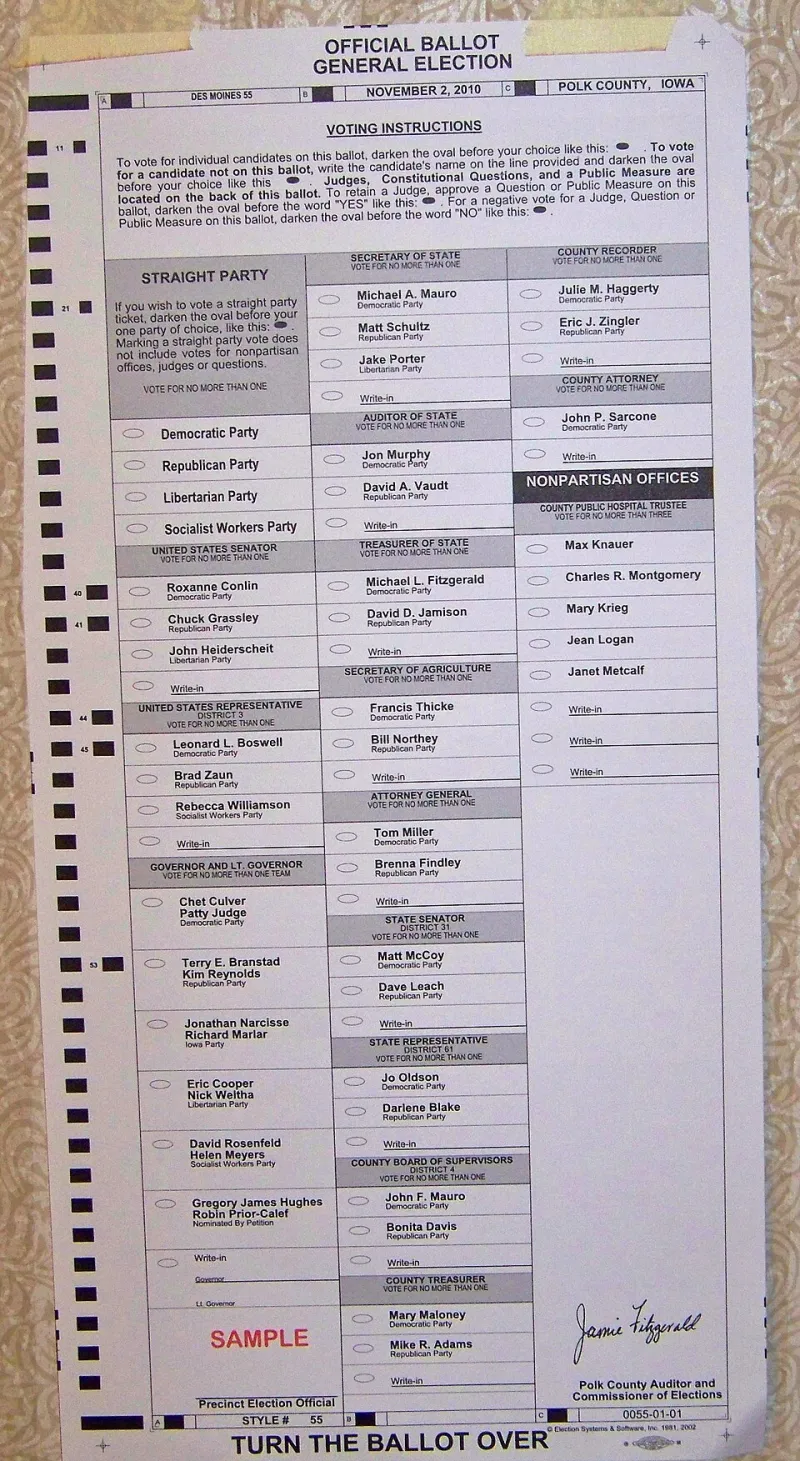
Photo: IowaPolitics.com, CC BY-SA 2.0, via Wikimedia Commons
Every four years, a familiar ritual plays out across the American political landscape. A third-party candidate emerges—sometimes a seasoned idealist, sometimes a celebrity disruptor, sometimes a principled defector from one of the two major parties—and a portion of the electorate briefly dares to imagine an alternative. Then the returns come in, the candidate finishes a distant third or worse, and the post-mortems begin. Critics assign blame. Supporters defend their conscience. And the two-party system absorbs the disruption and continues largely intact.
Yet to dismiss third-party candidacies as mere footnotes is to misread American electoral history in a fundamental way. These candidates lose—almost without exception—but they rarely fail to matter. The question worth asking at PolitArena is not whether third parties can win under current conditions, but why they keep reshaping elections they have no realistic path to winning, and what that dynamic exposes about the structural tensions within the dominant political order.
The Arithmetic of Influence Without Victory
The mathematics of third-party impact operates on a simple but ruthless principle: in a plurality-wins system, votes are zero-sum. Every ballot cast for a candidate outside the two major parties is, by definition, a ballot not cast for either of them. In close contests, even marginal shifts in vote share can determine the outcome.
The 2000 presidential election remains the most debated illustration. Ralph Nader, running on the Green Party ticket, received approximately 97,000 votes in Florida—a state ultimately decided by 537 votes. Whether those Nader supporters would have voted for Al Gore, stayed home, or split between the two major candidates is a matter of genuine scholarly dispute. But the proximity of those numbers to the margin of decision has made the episode a permanent reference point in discussions of third-party consequences.
Similarly, Ross Perot's 1992 campaign drew nearly 19 percent of the popular vote—the strongest third-party showing since Theodore Roosevelt's 1912 Progressive Party run. Exit polling suggested Perot drew roughly equally from both major parties, complicating the narrative that he simply handed the election to Bill Clinton. Yet his candidacy unmistakably altered the strategic terrain, forcing both parties to reckon with a constituency that felt economically abandoned by the political establishment.
These cases illustrate a consistent pattern: third-party candidates function less like competitors and more like pressure valves—releasing electoral tension that the two major parties have failed to contain.
Structural Barriers and the Spoiler Paradox
Understanding why third parties perpetually influence without prevailing requires confronting the structural architecture of American elections. The combination of single-member districts, winner-take-all outcomes, and plurality voting creates what political scientists call Duverger's Law: a natural gravitational pull toward a two-party system. Voters who might genuinely prefer a third option frequently calculate that supporting it is strategically irrational—a phenomenon known as strategic or tactical voting.
This calculation produces what might be called the spoiler paradox. The very act of running a credible third-party campaign—one that attracts genuine enthusiasm and media coverage—makes the candidate more threatening to one of the major parties while simultaneously making it harder for sympathetic voters to justify supporting them. The more viable a third-party candidacy appears, the more urgently partisans on the threatened side mobilize to suppress it through persuasion, ridicule, and the relentless repetition of the phrase "wasted vote."
Ballot access laws compound the structural disadvantage. Unlike major-party candidates who appear automatically on state ballots, third-party and independent candidates must navigate a labyrinthine patchwork of state-specific petition requirements, filing deadlines, and legal challenges—often mounted by the very parties they threaten. The resources consumed in simply achieving ballot eligibility can dwarf what smaller campaigns have available for actual voter outreach.
The debate stage presents another chokepoint. The Commission on Presidential Debates, co-founded by the Republican and Democratic parties, requires candidates to poll at fifteen percent nationally to qualify for general election debates. This threshold functions as a near-impenetrable barrier: candidates cannot easily reach fifteen percent without the exposure that debate participation provides, and they cannot easily obtain debate participation without first reaching fifteen percent.
Voter Psychology and the Protest Signal
If structural barriers make third-party victories nearly impossible, why do significant portions of the electorate continue to support these candidates cycle after cycle? The answer lies partly in what political psychologists describe as expressive voting—casting a ballot not to determine an outcome, but to communicate a position.
For voters who feel that neither major party adequately represents their values or interests, a third-party vote can serve as a deliberate signal rather than a miscalculation. It says, in effect: the existing options are insufficient, and I refuse to ratify that insufficiency by choosing between them. This is not irrationality. It is a different conception of what voting is for.
The surge in third-party interest that tends to materialize in each election cycle is not random. It correlates reliably with elevated dissatisfaction with major-party nominees—particularly when both candidates carry high unfavorability ratings. The 2016 cycle, which saw Libertarian Gary Johnson reach double digits in some polls and Green Party candidate Jill Stein outperform her prior results in several swing states, occurred against the backdrop of historically low approval ratings for both Donald Trump and Hillary Clinton.
What this pattern reveals is that third-party surges function as a diagnostic instrument. They identify where the major parties have stretched their coalitions beyond cohesion, where ideological compromises have alienated significant voter blocs, and where the demand for representation has outpaced the supply of palatable options.
What the Two Major Parties Hear—and Don't
The strategic question for the major parties is whether they learn the right lessons from third-party pressure. History suggests the record is mixed. The Republican Party's absorption of Perot's economic nationalism into its platform during the 1990s represents one model of responsive adaptation. The Democratic Party's persistent tension with its progressive flank—which has occasionally threatened to migrate toward Green Party alternatives—represents an ongoing negotiation that neither side has fully resolved.
The danger for both parties lies in misreading a third-party surge as a problem of candidate quality or campaign mechanics rather than a symptom of genuine policy or representational failure. When a meaningful share of voters chooses a candidate with no realistic path to victory, they are not confused. They are dissatisfied. The party that correctly diagnoses the source of that dissatisfaction and responds substantively is better positioned than the one that simply waits for the threat to dissipate.
The Arena Remains Unequal
Reform advocates have long argued that alternative voting systems—ranked-choice voting in particular—could dissolve the spoiler dynamic by allowing voters to express genuine preferences without strategic penalty. Several states and municipalities have adopted ranked-choice mechanisms with varying results, and the debate over whether such reforms meaningfully alter political outcomes remains active and contested.
Until structural changes of that magnitude take hold nationally, the arithmetic of third-party candidacies will continue to operate as it always has. Candidates outside the two major parties will enter the arena at a profound institutional disadvantage. They will draw votes, shift margins, and occasionally determine outcomes in ways their vote totals alone do not capture. And in doing so, they will continue to reveal something true and important about the state of American democracy—not despite the fact that they lose, but precisely because of it.